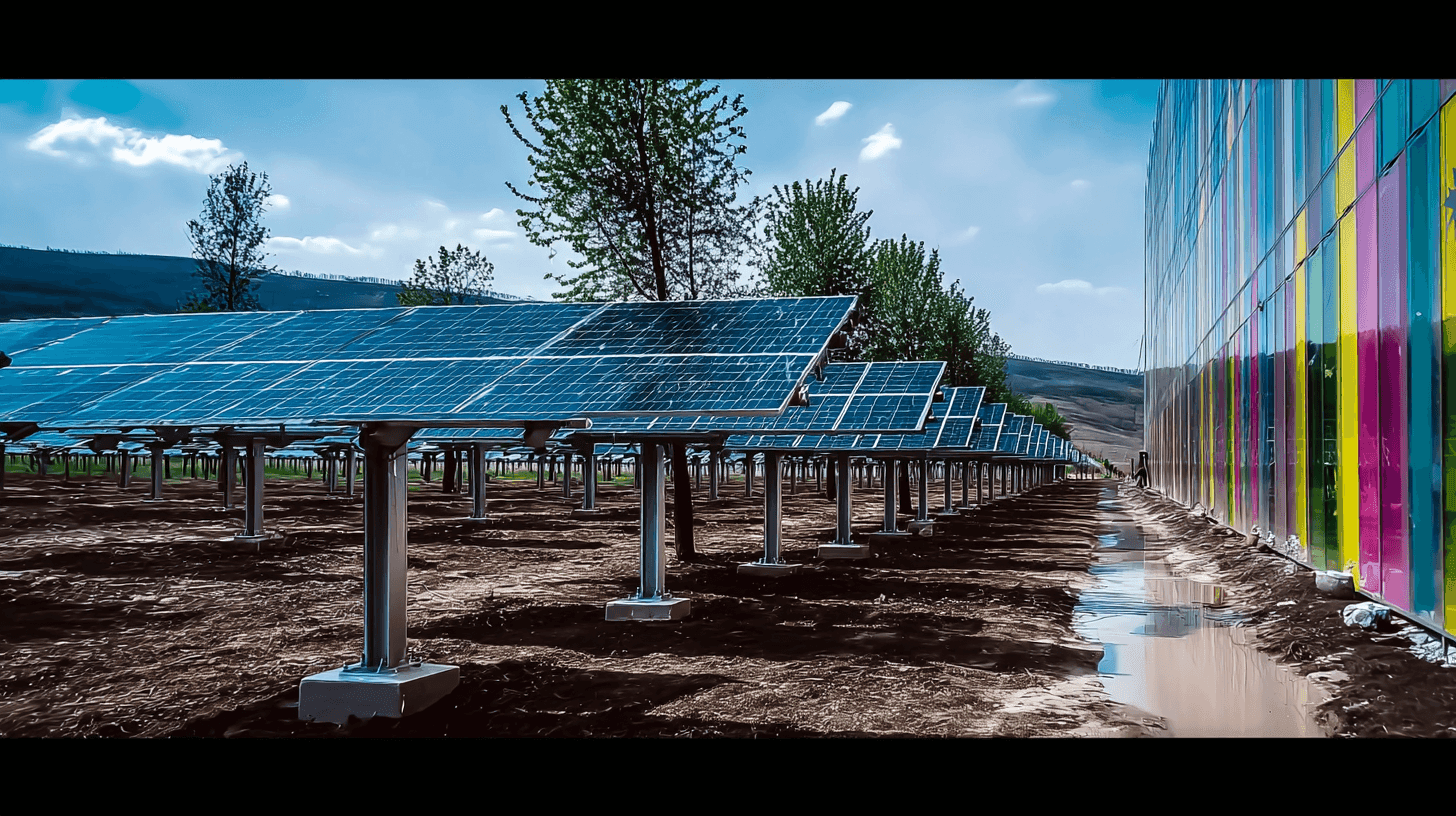
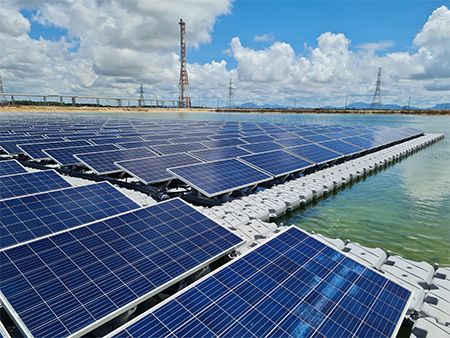
Luminescent solar panel prototype capturing ambient UV light.
Let’s dive into the Heap to find light!
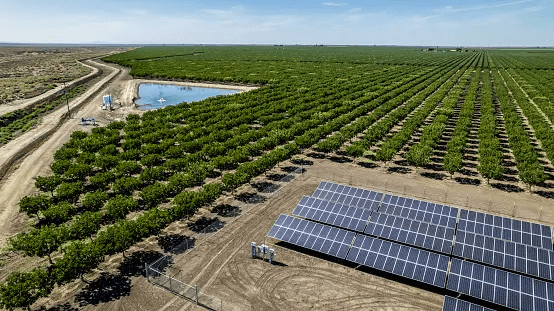
Traveling along the dusty country road to your grandmother’s house, you watch fields bursting with harvested crops: mangoes, calamansi, and other fruits piled high from the earth, ripe yet destined to be discarded. For many farmers here, a season’s hard work often ends in loss — damaged by storms, bruised by handling, or left to rot in the heat. But for a young Filipino engineering student named Carvey Ehren Maigue, these discarded treasures held a spark of hope, a hidden power yet to be tapped.
Carvey’s journey began with simple curiosity — how could the glowing northern lights inspire a solar panel that worked even on cloudy days? His daily life was a mix of long study hours at Mapúa University and small makeshift experiments in his mother’s kitchen during lockdowns, where he crushed and distilled juices from wasted fruits, extracting brilliant luminescent particles. These secret ingredients could catch ultraviolet light rays — invisible to the eye but abundant even under thick clouds — and transform them into precious electricity.
From the humble roadside harvests to the polished lab prototypes, Carvey’s dedication to turning waste into watts illuminated a new path for renewable energy. His AuREUS solar panels, named after the aurora borealis, don’t need bright sun to shine; they capture leftover light bouncing off walls and pavements, giving power to the shaded, the vertical, and the overlooked.
How AuREUS Solar Panels Work
At the core of AuREUS is a clever method of light conversion inspired by the aurora borealis. The technology uses luminescent particles naturally found in certain fruits and vegetables that can absorb high-energy UV light and re-emit it as visible light.
Process Breakdown:
- Absorption: Luminescent compounds extracted from agricultural waste absorb ultraviolet rays.
- Re-emission: These particles convert UV into visible light through a downshifting process.
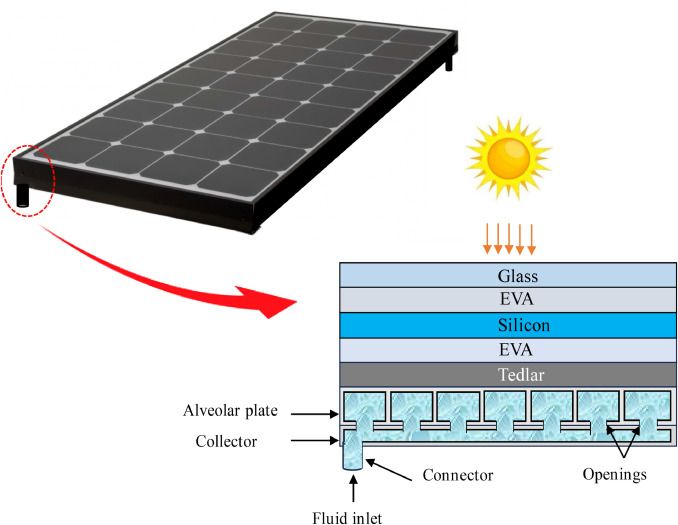
- Energy Transfer: The visible light travels to photovoltaic (PV) cells embedded at the edges of the panel, where it is converted into electricity.
Key Features and Benefits
1. Operates in Low-Light Conditions: Traditional panels drop in efficiency during cloudy days. Since AuREUS uses UV radiation, which is still present even when the sky is overcast, it can maintain output in conditions where regular solar panels fail.
2. Integrates with Urban Infrastructure: Building windows and walls, balconies, facades, public infrastructure, and even wearable devices such as clothing with embedded energy-generating layers.
3. Made from Agricultural Waste: The use of discarded fruits and vegetables as raw material is a game-changer. Not only does it make production cheaper, but it also helps tackle the massive issue of food waste. Reports suggest that over 1.2 billion tonnes of food are wasted globally each year. AuREUS offers a circular solution — recycling waste into clean energy.
4. Low-Cost & Sustainable Manufacturing: Unlike silicon-based panels that require rare-earth metals and energy-intensive processes, AuREUS can be manufactured at lower cost using locally available organic waste, supporting both economic sustainability and environmental responsibility especially in developing countries.
Challenges and Limitations
Efficiency: While traditional panels offer 15–22% efficiency, AuREUS prototypes currently operate at lower conversion rates. Current natural dyes reach around 80% of target performance. Researchers are now exploring synthetic alternatives and bioengineering to improve this.
Scalability: The luminescent compounds are only found in select crops — out of 78 tested, only 9 were viable. Scientists are working on lab-produced dyes that mimic the natural absorption-emission behaviour.
Durability and Lifespan: Organic materials may degrade faster than silicon when exposed to heat, humidity, and pollutants. While traditional panels last over 25 years, the lifespan of AuREUS materials is still being evaluated.
Future of AuREUS and Vertical Solar Integration
The real power of AuREUS lies in urban transformation — turning buildings into clean energy hubs without needing large horizontal spaces: skyscraper glass walls, transit hubs, and residential balconies and facades. These integrations would allow energy-positive buildings, reducing reliance on fossil fuels.
Future development areas include creating long-lasting synthetic dyes, improving luminescent re-emission precision, and combining AuREUS with traditional PV panels for hybrid efficiency. To scale successfully, AuREUS must partner with solar manufacturers, construction firms, and be included in smart city planning policies.
Conclusion
The development of AuREUS solar panels signals a promising new direction for renewable energy — one that is flexible, sustainable, and inclusive. By utilising UV light and food waste, it addresses two major global issues: energy access and agricultural waste. As research continues, AuREUS could become a mainstream solution especially in cloudy cities, developing regions, or areas where land is at a premium. It invites us to reimagine how we generate power — not just on rooftops, but on every surface touched by sunlight, even through clouds.