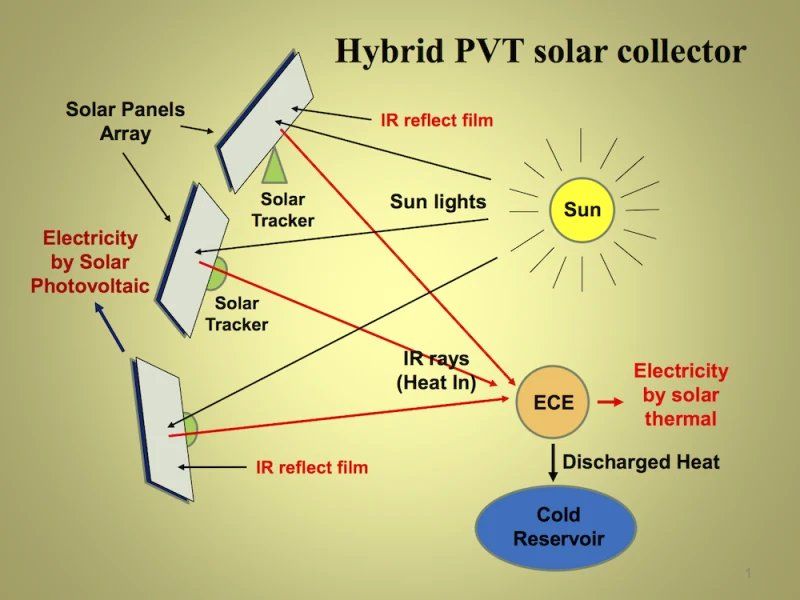
The Hybrid PVT solar collector captures both electricity and thermal energy.
Imagine a world where rooftops do more than just capture the sun’s light — they convert it into both electricity and usable heat. Welcome to the world of PVT solar collectors, an innovation which provides dual-purpose efficiency.
★★★★ Rating: 4 out of 5
What Is PVT Technology?
Photovoltaic Thermal (PVT) Hybrid Solar Technology is a groundbreaking innovation that combines the benefits of photovoltaic (PV) cells (which convert sunlight into electricity) with thermal collectors (which absorb heat). By doing both in a single system, PVT maximizes energy utilization per square metre of sunlight, making it a true hybrid champion in solar energy technology.
Why PVT Matters? A Dual Approach to a Global Problem
With fossil fuel consumption projected to rise from 85 to 123 million barrels per day by 2025, energy sustainability is more critical than ever. Traditional PV systems generate electricity but allow excess heat to go to waste. PVT systems capitalize on this residual energy, transforming it into useful heat for various applications such as:
- Water heating
- Greenhouse warming
- Solar desalination
- Building-integrated solutions (BIPVT)
How Does a PVT System Work?
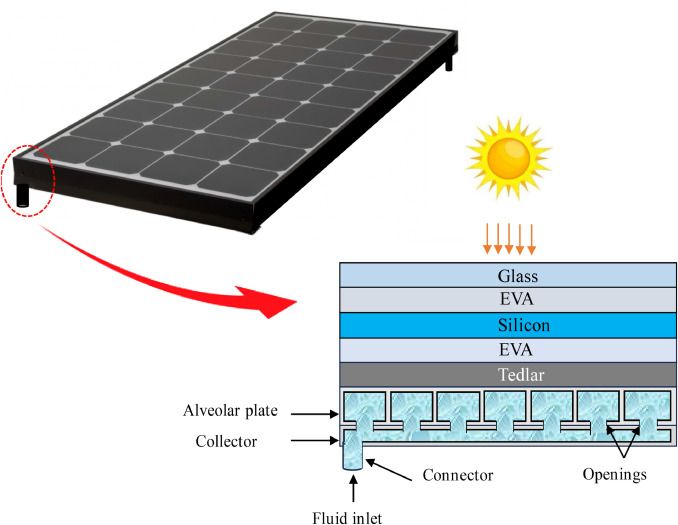
A PVT system typically includes:
- Top Layer: Silicon-based PV cells converting light into electricity.
- Absorber Plate: Often made of copper or aluminium, it collects residual heat.
- Heat Transfer Channels: Circulating fluids (water, air, or glycol) capture and transport the heat.
- Insulated Housing: Minimises heat loss and ensures durability.
Sustainability: More Than Just Clean Energy
PVT goes a step further in sustainability by:
- Reducing the need for multiple separate systems.
- Offering decentralized, off-grid energy options especially beneficial for rural India.
- Being scalable for large infrastructure projects.
- Increasing efficiency per material used, helping offset the environmental cost of rare minerals like selenium used in PVs.
India receives over 5,000 trillion kWh of solar energy annually. Effectively capturing even a fraction could meet the country’s entire electricity demand. PVT brings us closer to that possibility.
Emerging Technologies Pushing PVT Forward
The innovation doesn’t stop with hybrid systems. These emerging technologies are enhancing solar performance even further:
- Nanofluids: Enhancing heat transfer with nanoparticle-infused fluids.
- Gallium Arsenide (GaAs): Highly efficient but expensive PV materials.
- Dye-Sensitized Solar Cells (DSSCs): Lower-cost, efficient under low light.
- Perovskite Solar Cells (PSCs): High conversion efficiency with simple fabrication.
- Organic Solar Cells: Environmentally friendly and cost-effective.
Is PVT Worth It?
Although PVT systems require a higher initial investment due to complexity, they deliver higher long-term energy yields. India holds immense potential to lead the global solar transition. With abundant sunlight and growing technological capacity, India can create up to 287 gigatons of carbon space — nearly half the global budget needed to stay within 1.5°C warming.
Thoughts!
Photovoltaic Thermal (PVT) technology is more than just a smart engineering solution — it’s a symbol of what’s possible when innovation meets sustainability. As climate concerns grow and energy demands rise, embracing hybrid solutions like PVT isn’t just wise, it’s essential.
“You are energy, and energy cannot be created or destroyed. Energy just changes form.” — Albert Einstein
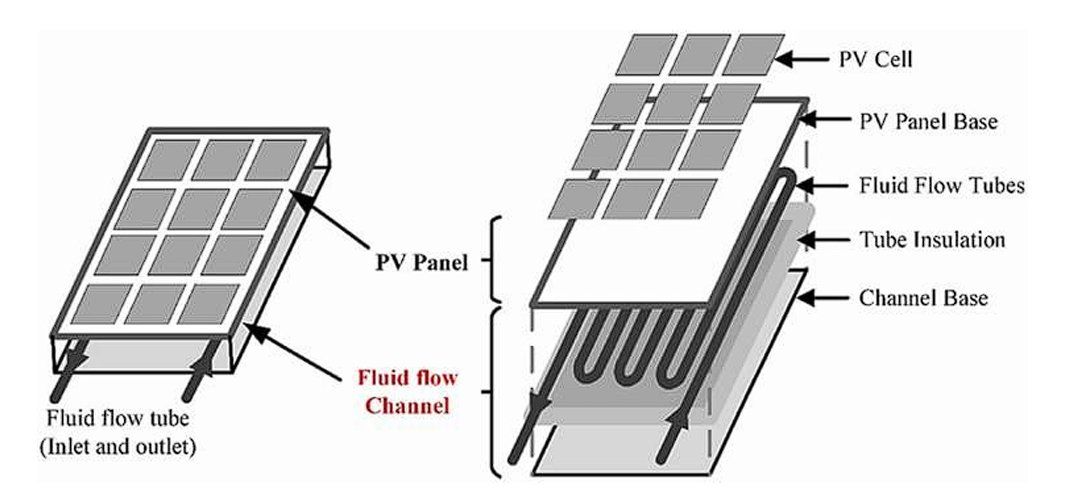
Internal structure of a PVT panel.