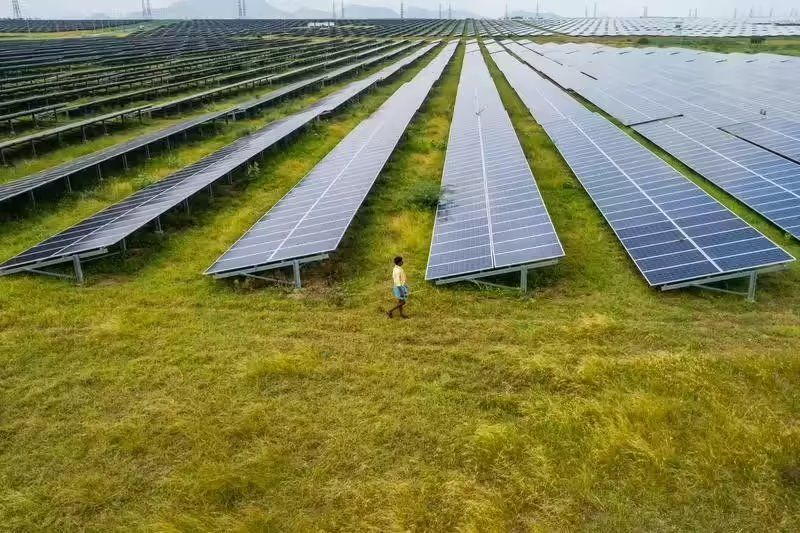
Large-scale solar installations require 3–5 acres per MW.
We grew up studying only the sunshine of solar energy; true understanding comes when we also examine its shadows.
Background
Solar energy is one of the leading renewable alternatives to existing non-renewable sources that are rapidly depleting. It is harvested by using photovoltaic (PV) cells which convert the sunlight into solar energy. It provides several benefits such as being an energy source that is a non-polluting, green alternative and having low maintenance costs once set up. There are several known pros but as all things in nature it does come with drawbacks.
High Initial Cost and Land Requirement
The solar panels, though are a valuable investment in the long run by saving long term electricity bills, the cost of initial investment is high and area required is also huge. Even though several countries incentivize the implementation of solar panels, the cost of solar panels without storage in residential set up costs around $21,900 to $25,200 and around $98–112 million for utility-scale set ups. It takes up to 10–15 years just to break even with your investments.
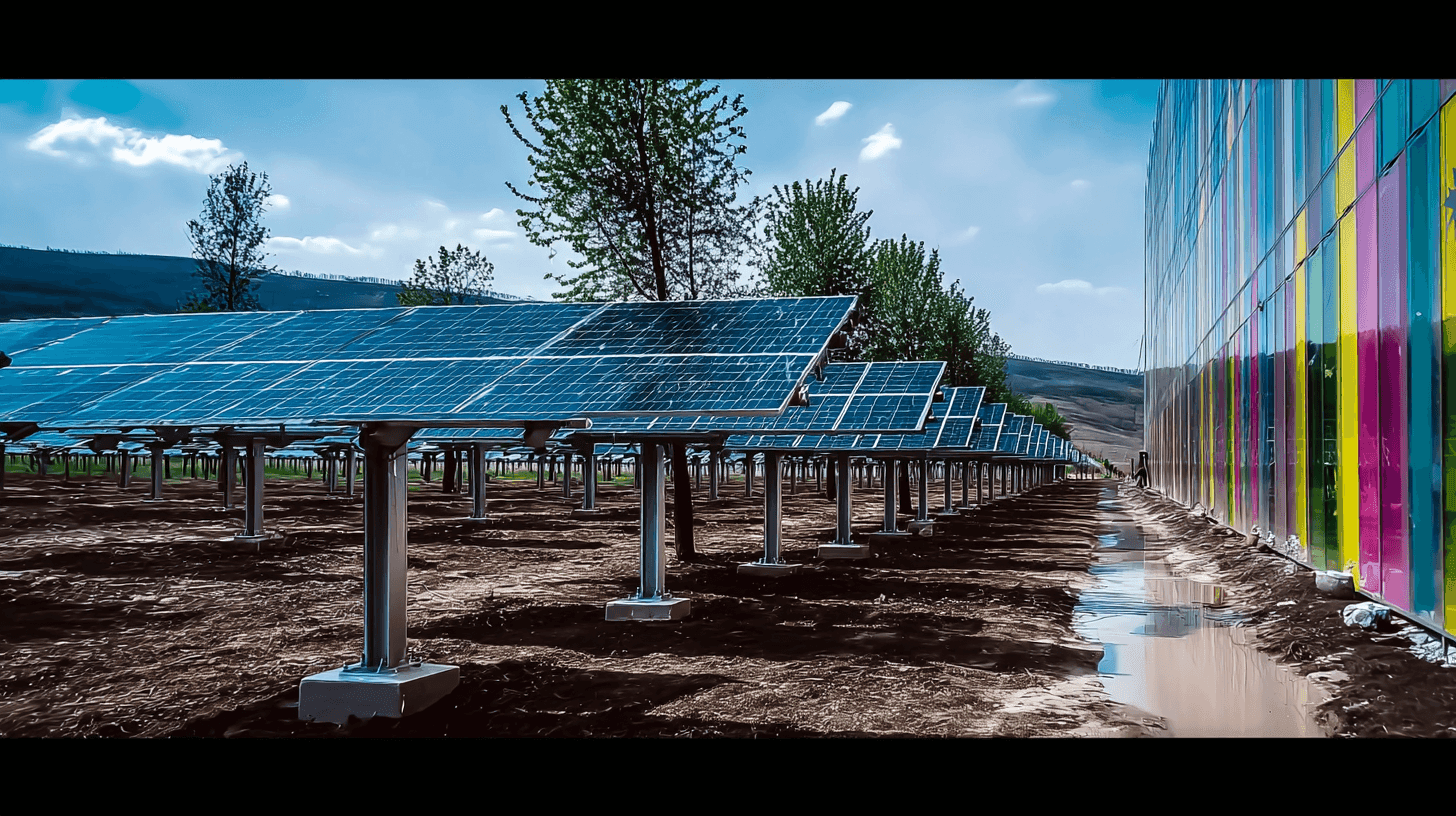
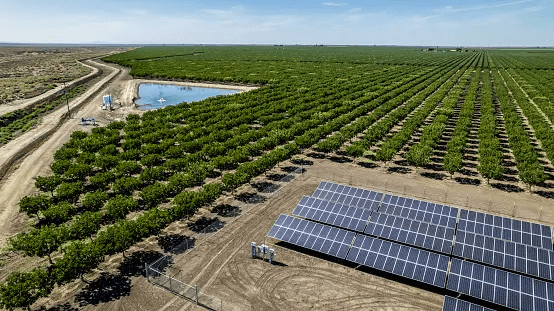
The area for residential implementation might look small but it takes about 3–5 acres per MW as compared to 1 acre per MW of area for natural gas and coal source for industrial demands. This will pose a serious increase in capital for the industrial perspective and will be a hindrance to scale up the industry due to the large area requirement.
Source: Our World in Data — “How does the land use of different electricity sources compare?”
Storage
Storing harvested energy properly and having a common power station is hard due to a lack of technical advancements in PV units regarding storage.
The existing storage method still lacks capacity, and overproduction causes grid failures. The Kerala State Electricity Board (KSEB) voiced concerns after suffering a staggering loss of INR 500 crores during 2024–25 due to low daytime demand but higher nighttime demand.
Kerala, ranking fourth nationally for installed rooftop solar units, still faces high power demand. People with solar units consume only 36% of harvested energy in the daytime, with the rest stored in the grid. Only 45% is utilized at night. The remaining is sold to KSEB, but due to storage constraints, it can buy only 19% of the daily solar energy produced. This disrupts the power banking arrangement and raises costs by 19 paise/unit because of poor storage infrastructure.
Low Reliability
Solar energy though abundant in nature and can be harnessed for daily usage, its reliability is low. As sunlight is only available during the daytime the energy can only be produced during the daytime and not the nighttime. This energy can be stored in the solar panel itself but the cost analysis is higher than the alternatives.
In Dharani (Bihar), the first fully solar powered village in India, the people faced the fact that electricity from conventional sources was a better alternative as the solar panels were less reliable due to frequent power outages. Solar energy cost thrice the price of grid electricity and due to poor battery storage the people were unable to fully utilize the energy for daily needs. The idea of off grid source was novel but the limitations posed a serious threat and the dark nights were testimonials of the plight of solar energy.
Weather and Geological Dependency
The solar panel’s effectiveness and efficiency are highly dependent on the weather pattern and the geological location. Places that are near the equator or have higher altitudes with less cloud coverage and abundant sunlight are always ideal but that’s not the case everywhere. Not all places can have the same situation. Also, the solar panels are highly dependent on the weather — if it is all sunny the amount harvested is high, if it is raining and there is cloud coverage the efficiency decreases, if there are thunderstorms the solar panels might be damaged as well.
For instance, Indore and Bhopal which are known for their frequent thunderstorms faced massive solar panel loss due to structural damage and panels flying off of the roof during one of the routine pre-monsoon thunderstorms which had wind speed of 120 km/h. This raised a serious concern and panic amongst the people as the thunderstorm accompanied with high wind speed is a common occurrence in these areas.
How will the poor-quality solar roofs that are being mass produced be effective and reliable to its people?
Low Efficiency
Efficiency of solar panels means the ratio of electrical output to the input solar energy. Generally the efficiency is around 15–22%. This causes the required area of solar panels to be large to get the required amount of electricity to run the residential or industrial plant.
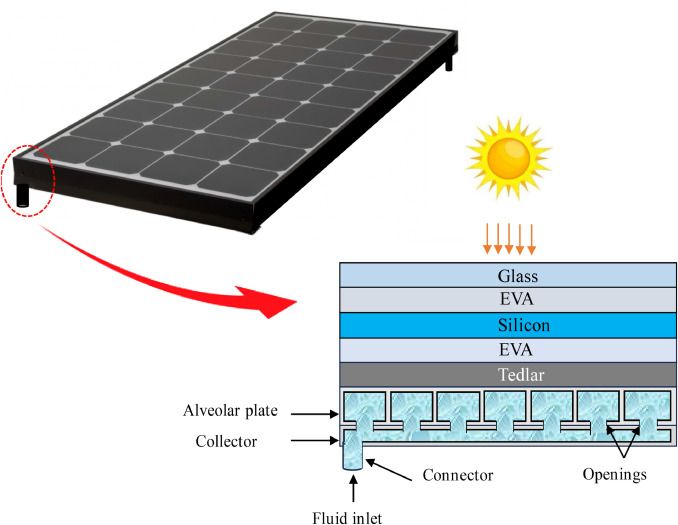
Solar panels tend to degrade at certain spectral wavelengths of light and raise in temperature beyond certain ambient conditions and thus decrease the lifespan and efficiency of the solar unit. The irradiation of such light are unavoidable, and the ambient temperature of 20–30°C is not available at every possible point of the day nor at every geological location, thus making the efficiency of solar panels dwindle and unpredictable as it differs not only with the solar unit but also the optics of sunlight and location of the plant set up.
Reserves Scarcity
The solar panels demand minerals like copper, nickel, lithium, cobalt, silver, etc., for which current reserves fail to provide for the zero-carbon goal by 2050, based on the report Material and Resource Requirements for the Energy Transition by the Energy Transition Commission (ETC). We face a reserve shortage, but abundant resources are available, though there is a huge gap in current technological advancements to convert these into reserves.
For example, cobalt demand might reach 11.4 million tonnes but the current reserve is 8 million tonnes. For lithium the demand is around 21.5 million tonnes and the reserve is around 26 million tonnes. For copper the demand is around 1,150 million tonnes but the reserve is around 935 million tonnes. This study looks only at batteries and solar panels, while demand for other purposes will increase it even more. We do have enough resources but they are either in low concentrated ores, hard to excavate, or economically not feasible with present technology.
Recycling Issues and Environmental Safety
Another major concern with the usage of solar panels is the issues with recycling the solar panels and the environmental hazards it might pose. The solar panels might contain high levels of lithium and cadmium which might pose a serious threat to the environment due to its toxicity and might pollute the soil. Also, the mining, excavating and transporting activities of these ores might also increase the carbon footprint. The improper recycling system at present causes a huge wastage of precious reserves and not only that but also pollutes the environment.
In Retrospect
The idea of using solar energy as an alternative to the existing non-renewable methods is highly plausible but there are serious research gaps and need for technical advancements to make it a completely reliable alternative. As of now though the pros of solar energy seems huge over other renewable methods and seemingly the pros outweighing the cons — in the long run if we don’t advance and rectify the cons, the cons will overthrow the positives and we will again come to a standstill with the newly found alternative as we did with fossil fuels, coal, etc.
…Progress isn’t choosing between sunshine and shadow, it’s engineering the bridge between them: affordable storage, resilient design, and responsible recycling…
…The sun is abundant; reliability is designed through better materials, smarter grids, and standards that keep the lights on after sundown…