What is Renewable Energy?
Renewable energy is energy derived from natural sources that are replenished at a higher rate than they are consumed. In other words, renewable energy is nature’s endless supply of power. It never runs out, as it is continuously restored by natural processes happening around us.
Why is it a better alternative to non-renewable energy?
Non-Renewable energy takes millions of years to form. These resources cannot be replaced quickly. The major problems of non-renewables are that they cause pollution and global warming, especially fossil fuels. Fossil fuels, when burned to produce energy, cause harmful emissions of greenhouse gases, such as carbon dioxide. To solve the present climate problems, usage of fossil fuels, which are the main cause of pollution, should be shifted to renewable ones.
Renewables are now cheaper in most countries and generate three times more jobs than fossil fuels.
Where India Stands in the Race of Renewable Energy
The renewable energy sources like wind energy, solar energy, geothermal energy, ocean energy, biomass energy and fuel cell technology can be used to overcome energy shortage in India. To meet the energy requirement for such a fast-growing economy, India will require an assured supply of 3–4 times more energy than the total energy consumed today. Renewable energy is one of the options to meet this requirement.
Today, renewables account for about 33% of India’s primary energy consumption. India is increasingly adopting responsible renewable energy techniques and taking positive steps towards carbon emissions, cleaning the air and ensuring a more sustainable future.
Sources of Renewable Energy
Solar Energy
“The amount of solar energy that reaches the Earth is nearly 10,000 times more than the total energy used by all humans.”
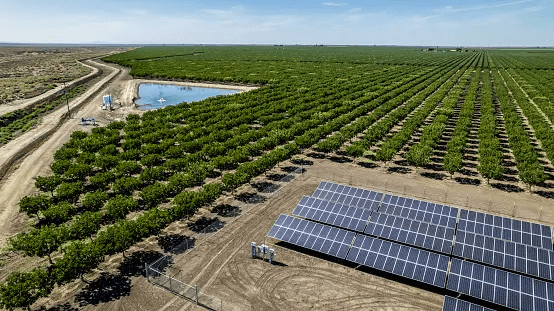
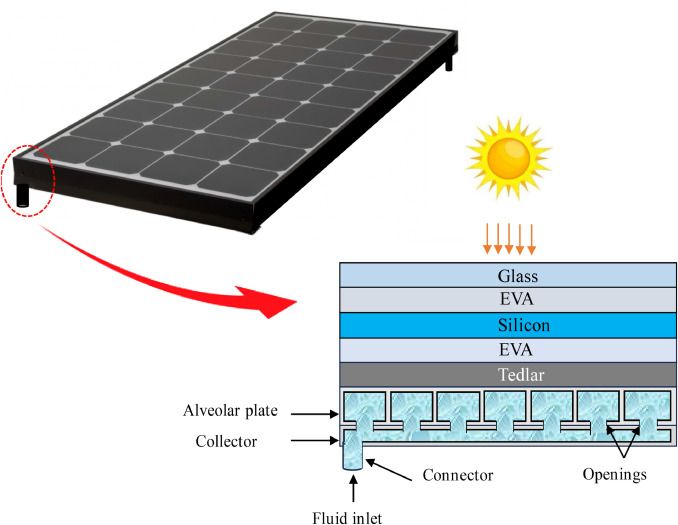
The most abundant of all energy resources is Solar Energy. The basic mechanism behind solar energy is it converts sunlight into electrical energy through various methods such as photovoltaic cells or through mirrors that concentrate solar radiation.
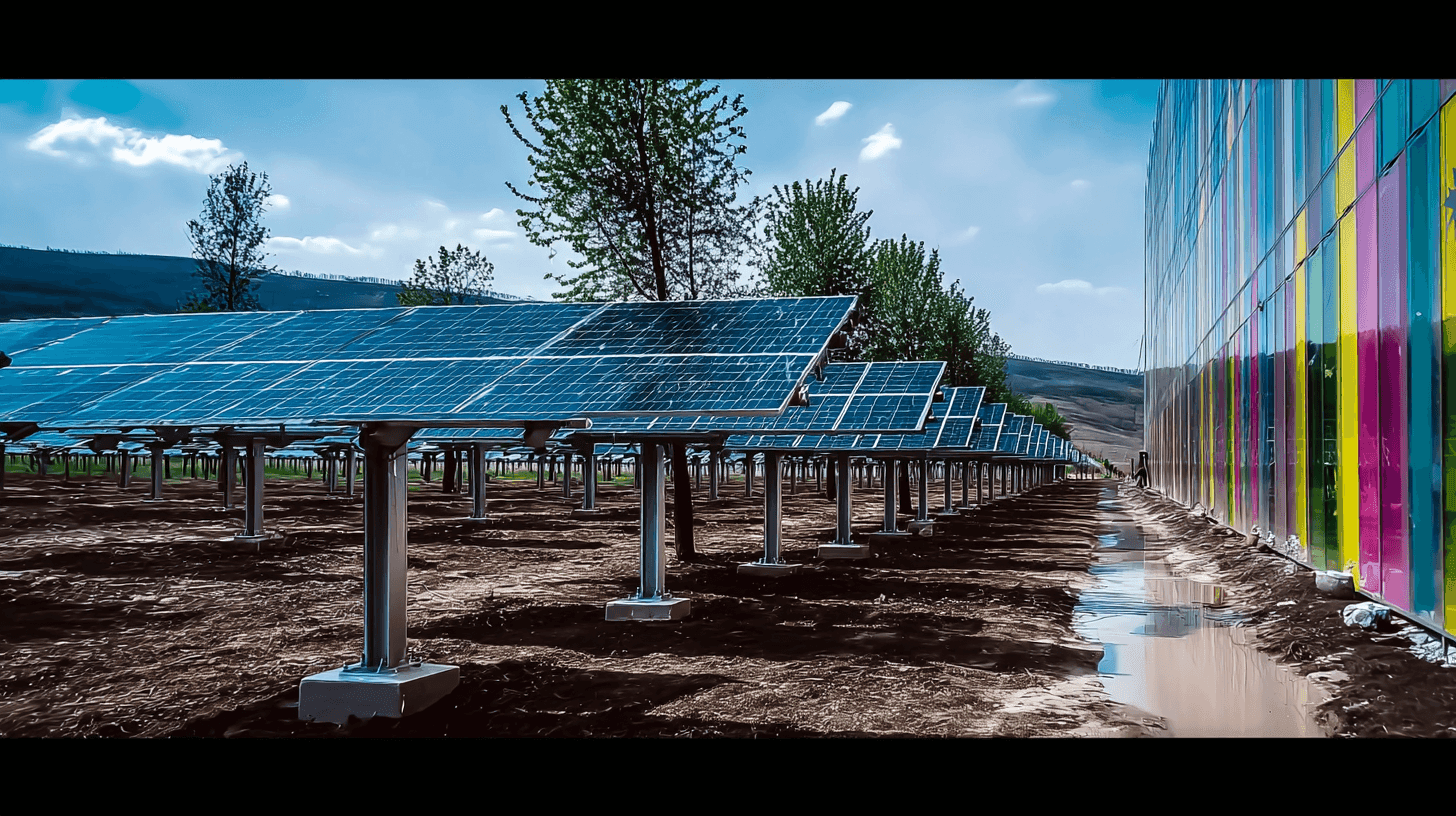
The manufacturing of solar panels has drastically increased in the past decade, making them not only affordable but one of the cheapest forms of electricity. In general, solar panels have a lifespan of 30 years, however it may depend on how it is actually used.
Wind Energy
Wind energy harnesses the kinetic energy of moving air by using large wind turbines located on land (onshore) or in sea or freshwater (offshore). Though average wind speeds vary considerably by location, the world’s technical potential for wind energy exceeds global electricity production. India is a leading player in wind energy, ranking fourth globally in installed wind energy capacity.
Geothermal Energy
Geothermal energy utilizes the accessible thermal energy from the Earth’s interior. Heat is extracted from geothermal reservoirs using wells or other means. Unlike wind and solar energy, geothermal plants produce power at a constant rate, without regard to weather conditions. Geothermal resources are theoretically more than adequate to supply humanity’s energy needs. Most extraction occurs in areas near tectonic plate boundaries.
Hydropower
Hydropower was one of the first sources of energy used for electricity generation. It captures the natural energy of flowing water as it moves from higher to lower ground and can be generated in two main ways: through large reservoirs that store water, and through run-of-river systems that use the natural flow of rivers without significant storage.
Beyond just producing electricity, hydropower reservoirs supply drinking water, support farming through irrigation, help prevent floods and droughts, and deliver reliable energy to communities. The Three Gorges Dam in China is the largest hydropower station in the world, with a capacity of 22,500 MW.
Biomass Energy
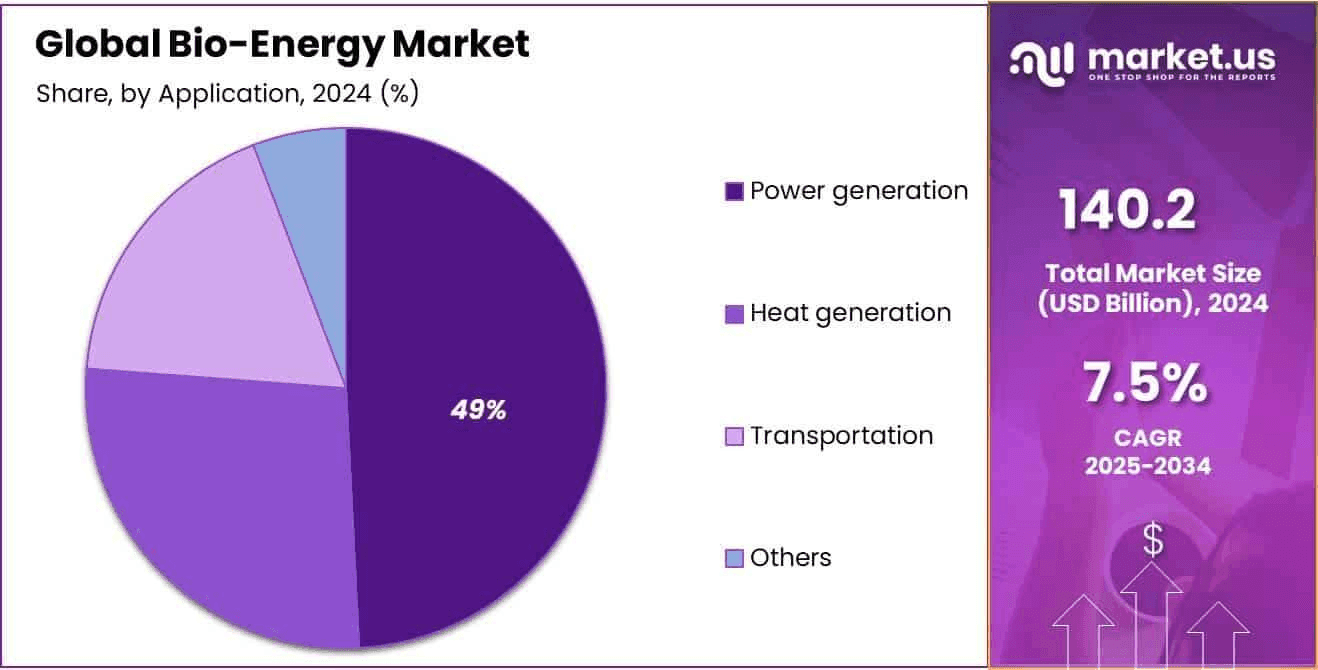
Bioenergy is produced from a variety of organic materials, called biomass, such as wood, charcoal, dung and other manures for heat and power production, and agricultural crops for liquid biofuels. Energy created by burning biomass creates greenhouse gas emissions, but at lower levels than burning fossil fuels. When biomass is burned, the carbon it contains is released back into the atmosphere — however, because this carbon was recently absorbed by the plant through photosynthesis, it’s considered part of a closed carbon cycle, making biomass energy potentially carbon neutral.
Future of Renewable Energy in India
India, faced with twin challenges on energy and environmental fronts, has no option but to work towards increasing the role of renewables in future energy systems. India with large renewable energy resources (solar PV, wind, solar heating, small hydro and biomass) is set to have large-scale development and deployment of renewable energy projects. It is expected that the contribution from renewables in power generation alone can be of the extent of 60,000 MW in the year 2031–2032.
Conclusion
Energy security, economic growth and environment protection are the national energy policy drivers of any country. Renewable energy provides enormous benefits and can contribute significantly in the national energy mix with minimal economic, environmental and social costs.
“Energy that is derived from natural processes (e.g. sunlight and wind) that are replenished at a higher rate than they are consumed.” — International Energy Agency (IEA)
“The nation that leads in renewable energy will be the nation that leads the world.” — James Cameron
Editor: Ananya SSSV